
Choosing the perfect season for your wedding is one of the biggest decisions you’ll make in the planning process. While both summer and winter weddings offer unique charm and challenges, the “best” season ultimately depends on your personal vision, budget, and priorities. Let’s explore the pros and cons of saying “I do” in the heat of summer versus the cool embrace of winter.
The Allure of a Summer Wedding
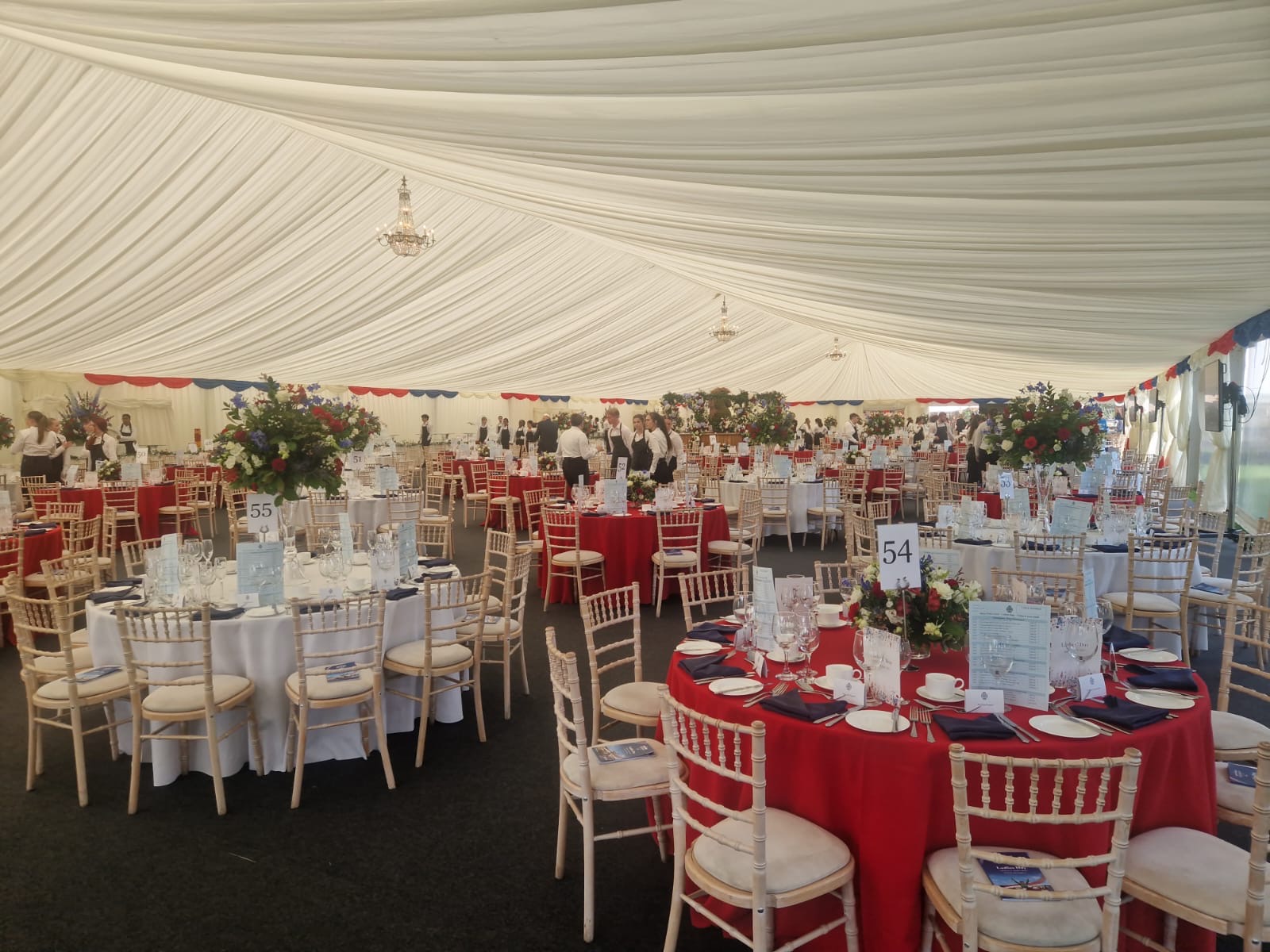
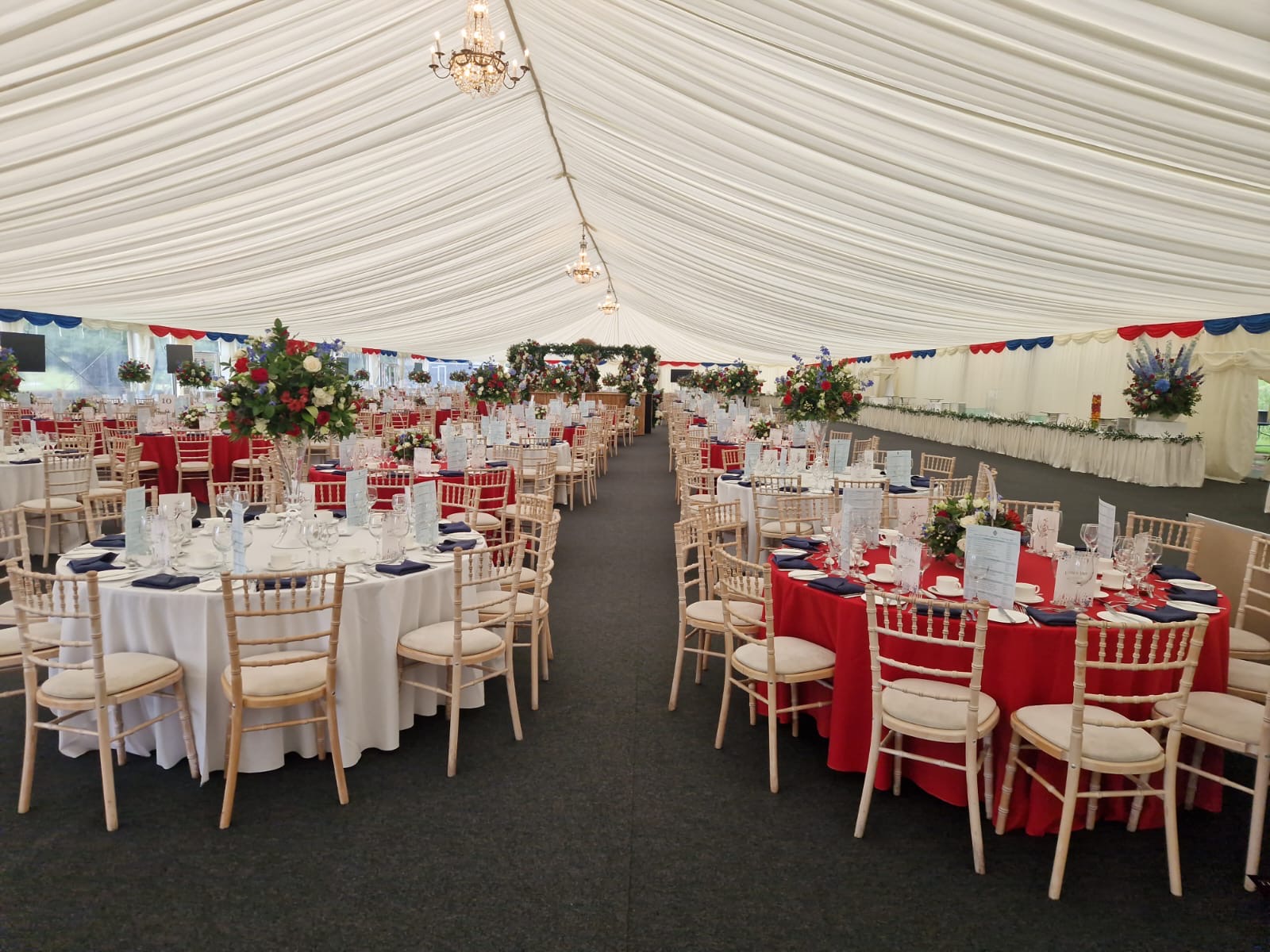
Summer is a classic choice for a reason. With long, sunny days and generally predictable weather (in many regions, at least), it offers unparalleled flexibility for outdoor weddings.
Pros of a Summer Wedding
- Weather Reliability: While rain is always a possibility, you are generally more assured of warm, dry weather, making garden ceremonies, beach weddings, and al fresco receptions viable and beautiful.
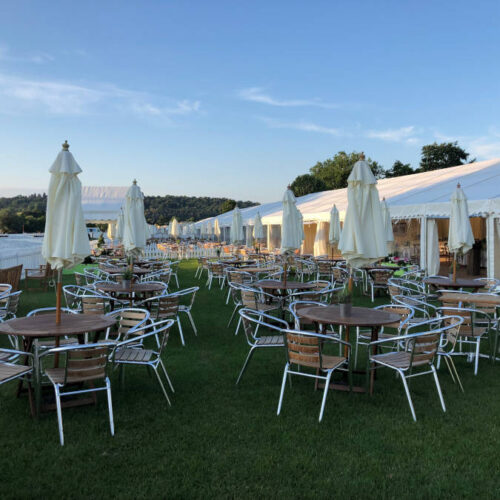
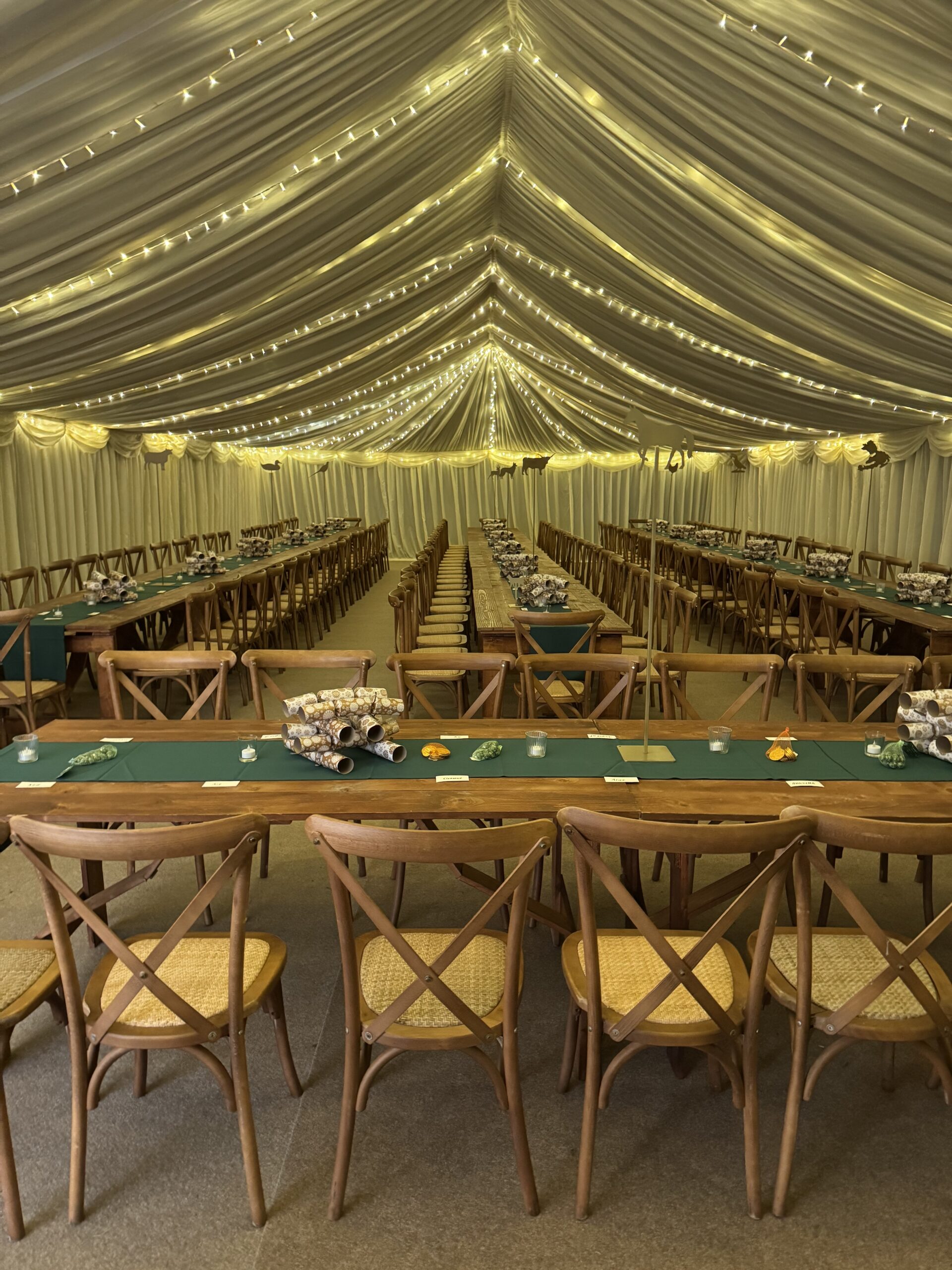
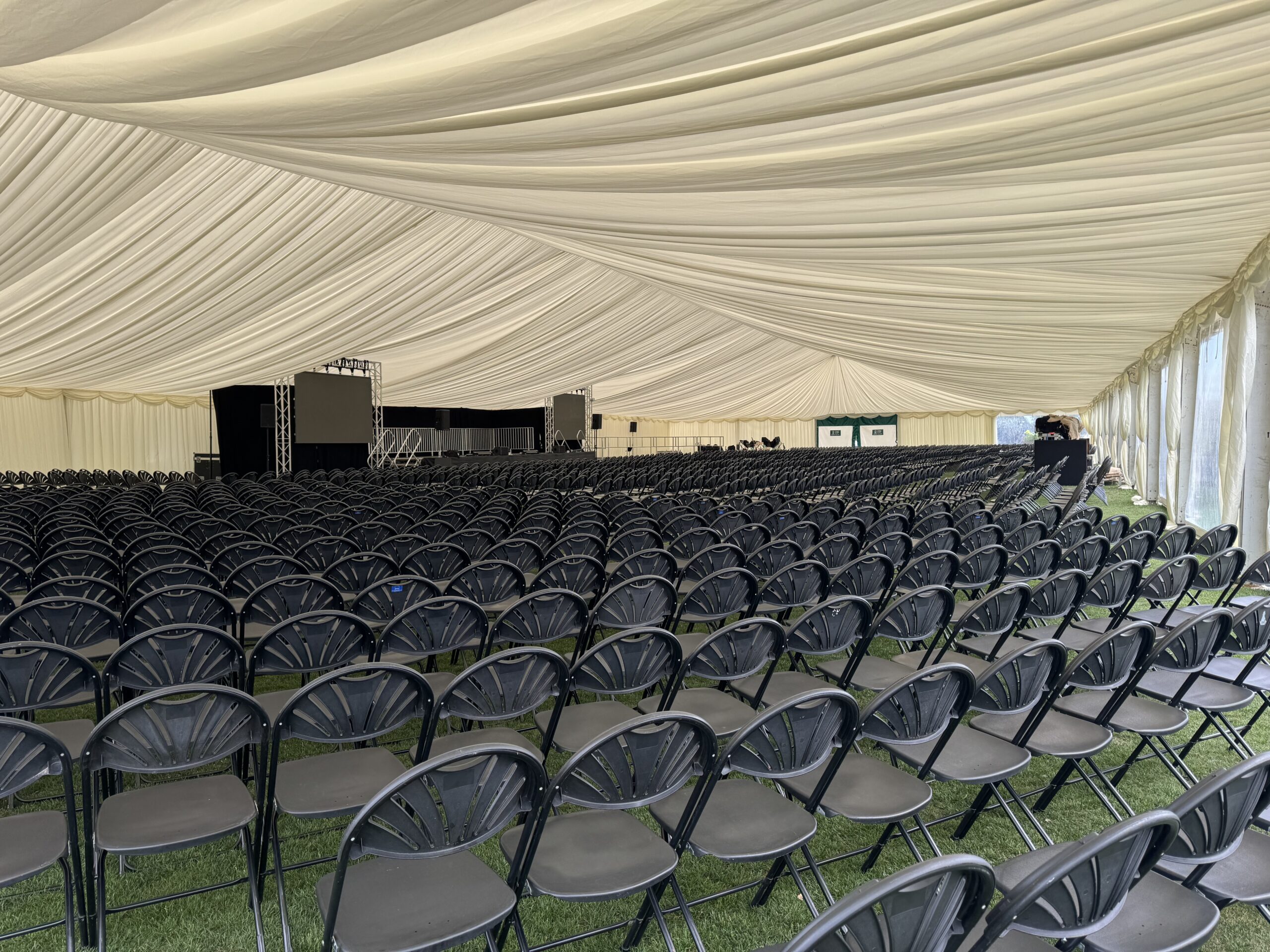
- Venue Versatility: The good weather opens up a huge array of outdoor venue options, from vineyard terraces to open fields for marquee hire.
- Photography: The extended daylight hours mean more opportunities for stunning golden-hour and natural light photos.
- Guest Travel: Guests are often more flexible with travel during summer, especially families with children out of school.
Cons of a Summer Wedding
- Cost and Availability: Summer is peak wedding season. This drives up the cost of everything from venues to florists, and securing your preferred date and vendor can be highly competitive.
- The Heat: Extreme heat can be uncomfortable for guests, leading to melting makeup, wilting flowers, and the need for expensive cooling solutions.
- Competition: You might find your desired vendors and venues booked up two years in advance.
Embracing the Magic of a Winter Wedding
While less traditional, winter weddings have a unique, cosy, and often dramatic appeal, offering a stark contrast to the typical summer celebration.
Pros of a Winter Wedding
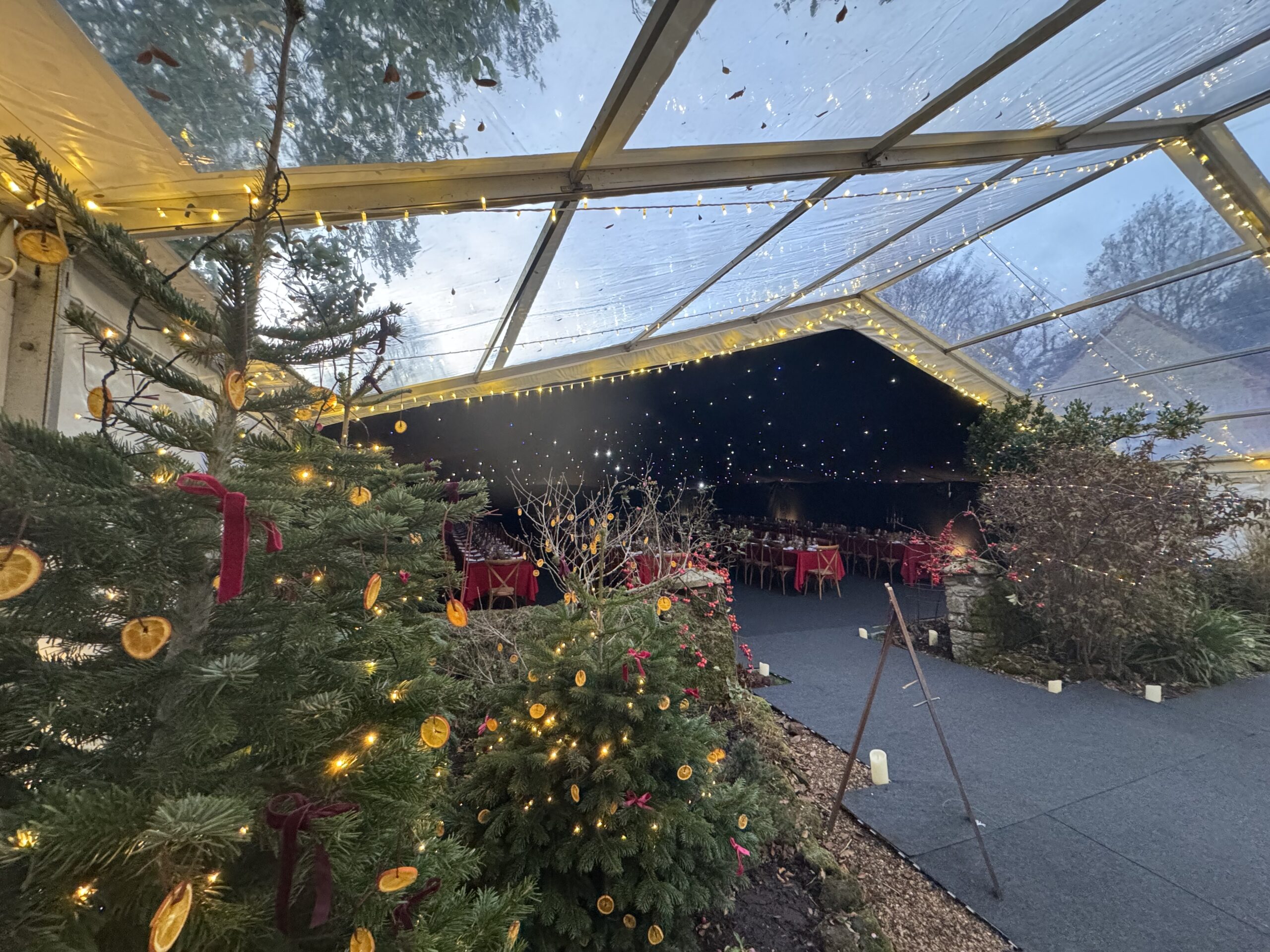
- Atmosphere and Ambiance: Winter naturally lends itself to creating a warm, intimate, and luxurious atmosphere. Think candlelight, rich fabrics, roaring fires, and festive décor.
- Cost Savings and Availability: Since winter is the off-peak season (excluding Christmas and New Year’s Eve), venues and vendors are often more available and may offer significant discounts.
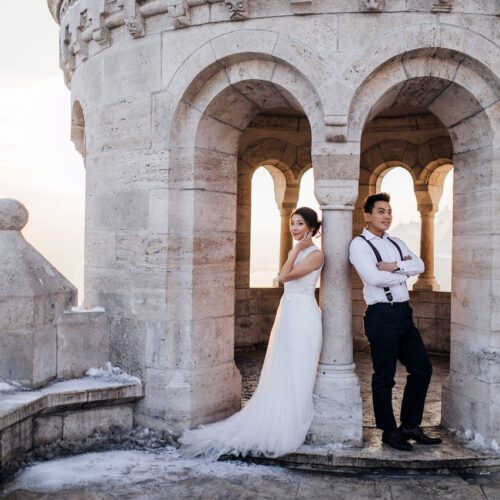
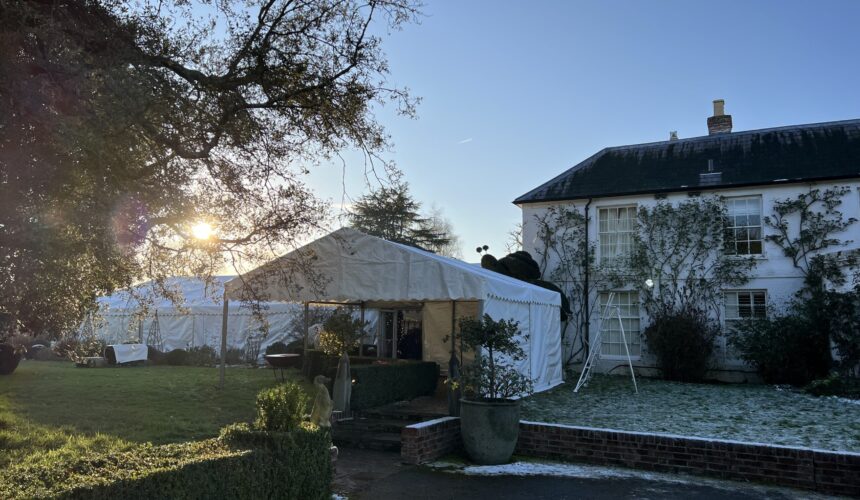
- Dramatic Photography: Snow, crisp air, and moody lighting can result in breathtakingly romantic and unique wedding photographs.
- Guest Comfort: Without the heat, guests are usually more comfortable in formal attire, and the focus is often on indoor entertainment.
Cons of a Winter Wedding
- Unpredictable Weather: While snow is beautiful, severe weather (heavy snow, ice, or storms) can cause travel chaos for guests and vendors, and potentially shut down roads.
- Limited Daylight: Shorter days mean fewer hours for outdoor photos and an earlier shift to your indoor reception.
- Venue Limitations: You are heavily reliant on indoor space, limiting options for large-scale outdoor activities. Marquee hire is still possible, but requires significant investment in heating and heavy-duty flooring.
- Guest Availability: Dates around major holidays (Christmas, New Year) might conflict with guests’ existing family commitments.
The Verdict: How to Choose
The best season isn’t universal; it’s personal. Ask yourself these key questions:
| Consideration | Choose Summer If… | Choose Winter If… |
|---|---|---|
| Budget | You are prepared for peak-season pricing and competition. | You are looking for potential discounts and better vendor availability. |
| Ambiance | You dream of a light, bright, garden party, or outdoor celebration. | You want a cosy, intimate, candlelit, or dramatically elegant affair. |
| Guest List | Your guests travel best during school holidays. | Your guests have relatively flexible schedules outside of major holidays. |
| Venue Type | You need extensive outdoor space for your ceremony or reception (e.g., marquee hire). | You prioritize a grand ballroom, historic building, or other indoor space with character. |
| Priority | Reliable, warm weather for an outdoor event is non-negotiable. | A unique, festive atmosphere and cost-savings are most important. |
Ultimately, both summer and winter offer stunning backdrops for a wedding. Summer is the classic choice for guaranteed warmth and outdoor freedom, while winter offers a unique, cost-effective, and deeply romantic alternative. Whichever you choose, planning ahead and embracing the unique qualities of the season will ensure your day is truly magical.